Temple of Literature Hanoi


Temple of Literature Hanoi – The Complete Guide for Travelers
For travelers seeking an authentic cultural experience in Hanoi, the Temple of Literature stands as a timeless symbol of knowledge, tradition, and history. As Vietnam’s first university, this iconic landmark offers a unique glimpse into the country’s long-standing respect for education and intellectual values.
To make your journey more meaningful and seamless, VMI Travel is your trusted companion for discovering Vietnam’s top destinations. With well-designed inbound tours, professional guides, and personalized itineraries, VMI Travel helps international visitors not only explore famous landmarks but also deeply understand the stories behind them.
Overview of the Temple of Literature
The Temple of Literature is one of the most important cultural landmarks in Hanoi and a must-visit destination for travelers seeking to understand Vietnam’s intellectual and spiritual heritage. Established in 1070 under Emperor Ly Thanh Tong, the temple was dedicated to Confucius and later transformed into Vietnam’s first university – Quoc Tu Giam.
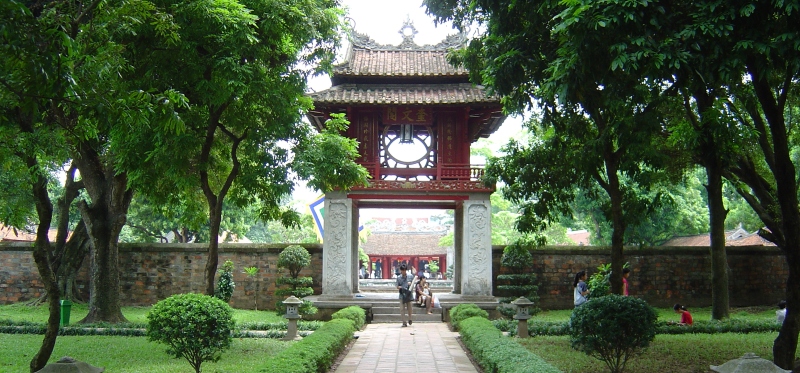
Overview of the Temple of Literature
Historical Background and Development
Over the centuries, the Temple of Literature evolved into a prestigious educational center for royal families, mandarins, and talented students across the country. During the Le Dynasty, the system of royal examinations was developed, and successful candidates were honored with their names engraved on stone steles.
This site reflects the deep influence of Confucianism on Vietnamese education, governance, and social values. It also highlights Vietnam’s early emphasis on meritocracy and academic excellence.
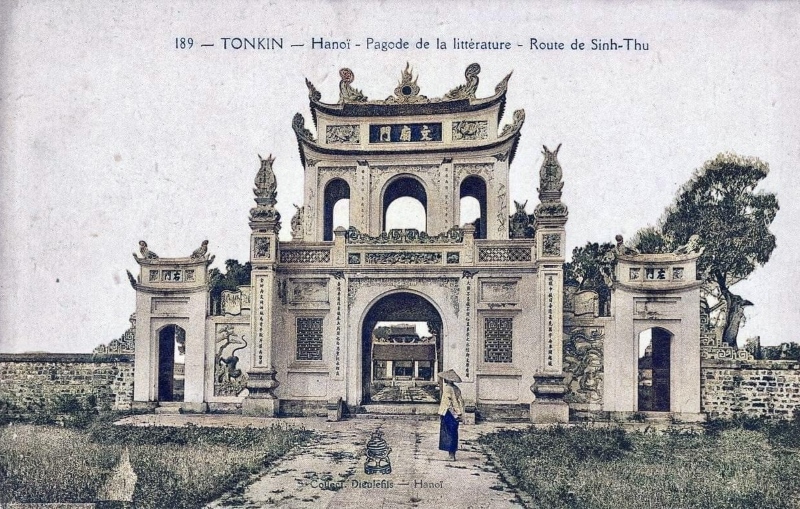
Historical Background and Development of the Temple of Literature Hanoi
Architectural Highlights and Symbolism
The Temple of Literature is a masterpiece of traditional Vietnamese architecture, designed in harmony with nature. The complex is divided into five courtyards, each symbolizing a stage in the journey of knowledge and personal development.
Key architectural features include:
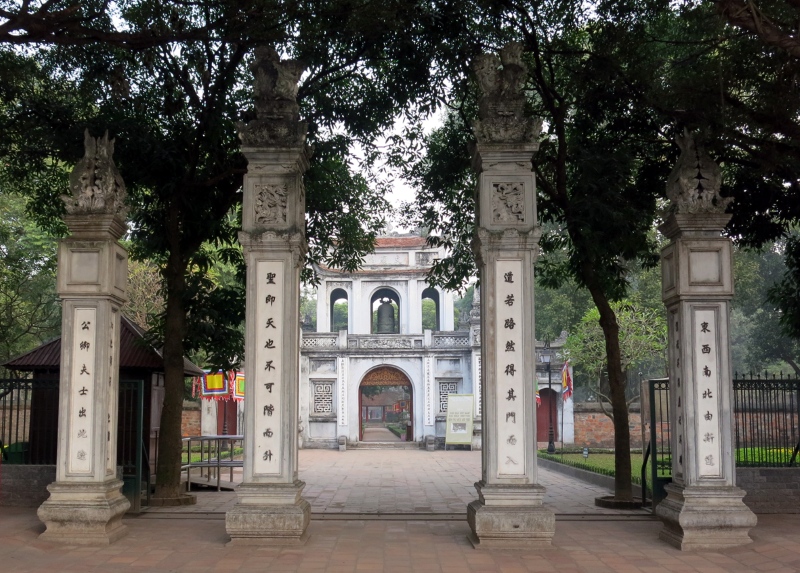
- Great Middle Gate (Dai Trung Mon): Represents the gateway to knowledge
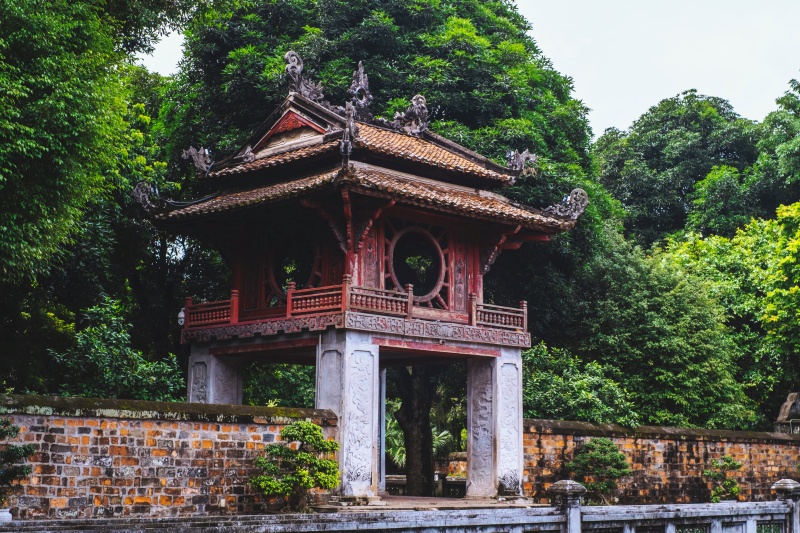
- Khue Van Cac Pavilion: A symbol of Hanoi and intellectual light
- Well of Heavenly Clarity (Thien Quang Tinh): Reflects wisdom and purity
- Main Sanctuary: Dedicated to Confucius and his disciples
One of the most iconic structures is Khue Van Pavilion, known for its red wooden frame and circular windows representing the sun – a symbol of enlightenment.
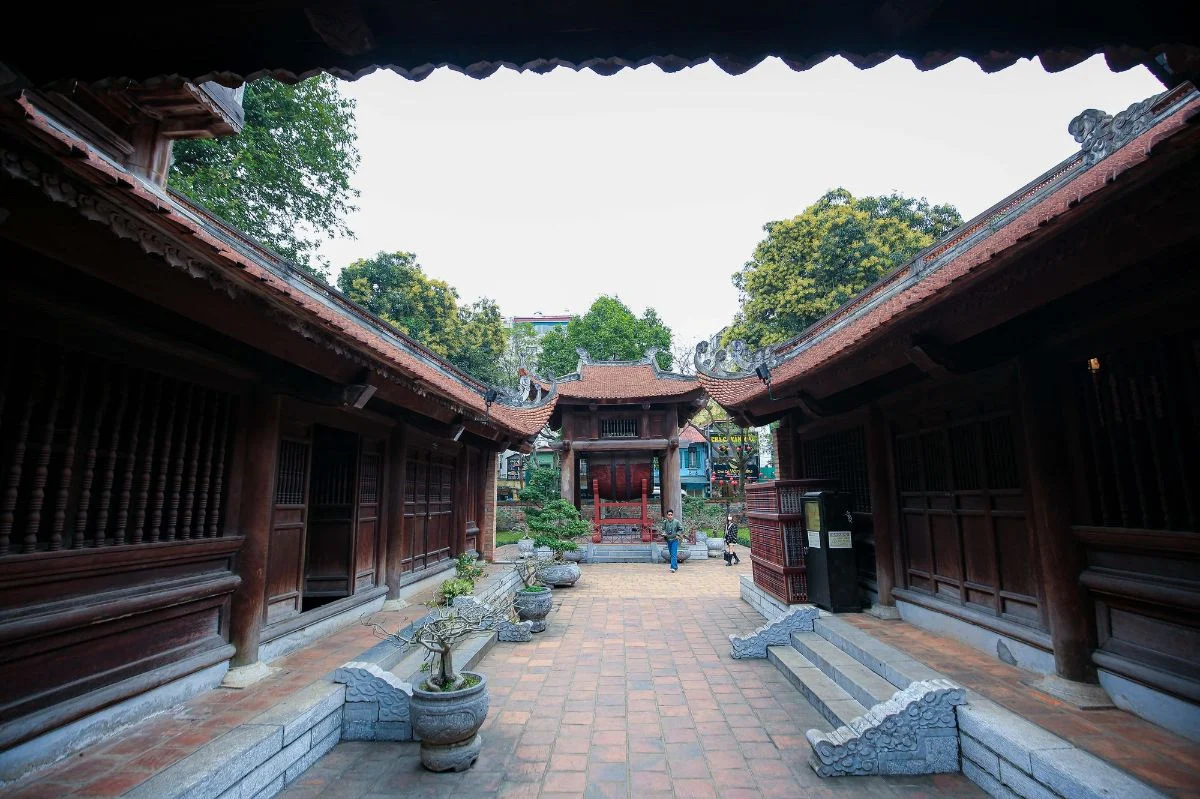
Architectural Highlights and Symbolism
The Doctoral Steles – A UNESCO Heritage
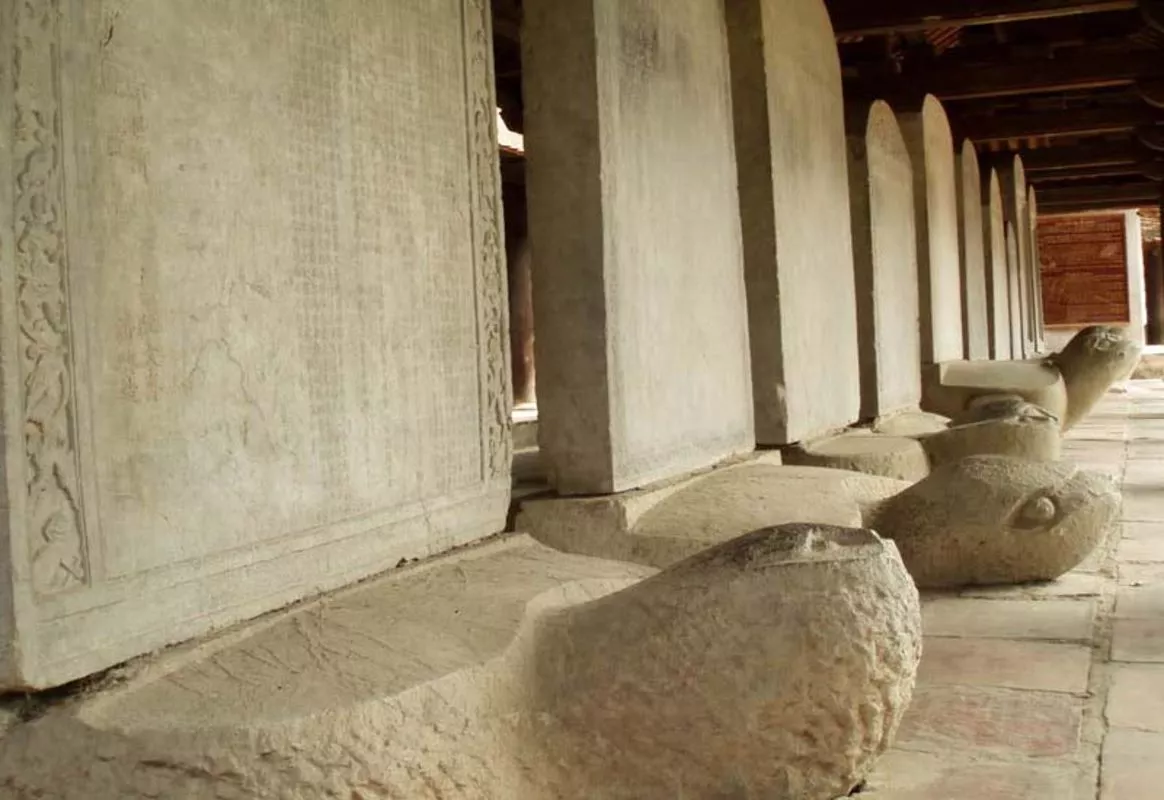
The 82 stone steles placed on turtle backs are among the most valuable treasures of the site. These steles record the names and achievements of doctoral laureates from royal examinations between 1442 and 1779.
Recognized by UNESCO as part of the Memory of the World Programme, they serve as a testament to Vietnam’s respect for education and talent.
The Doctoral Steles – A UNESCO Heritage
Cultural Activities and Visitor Experience
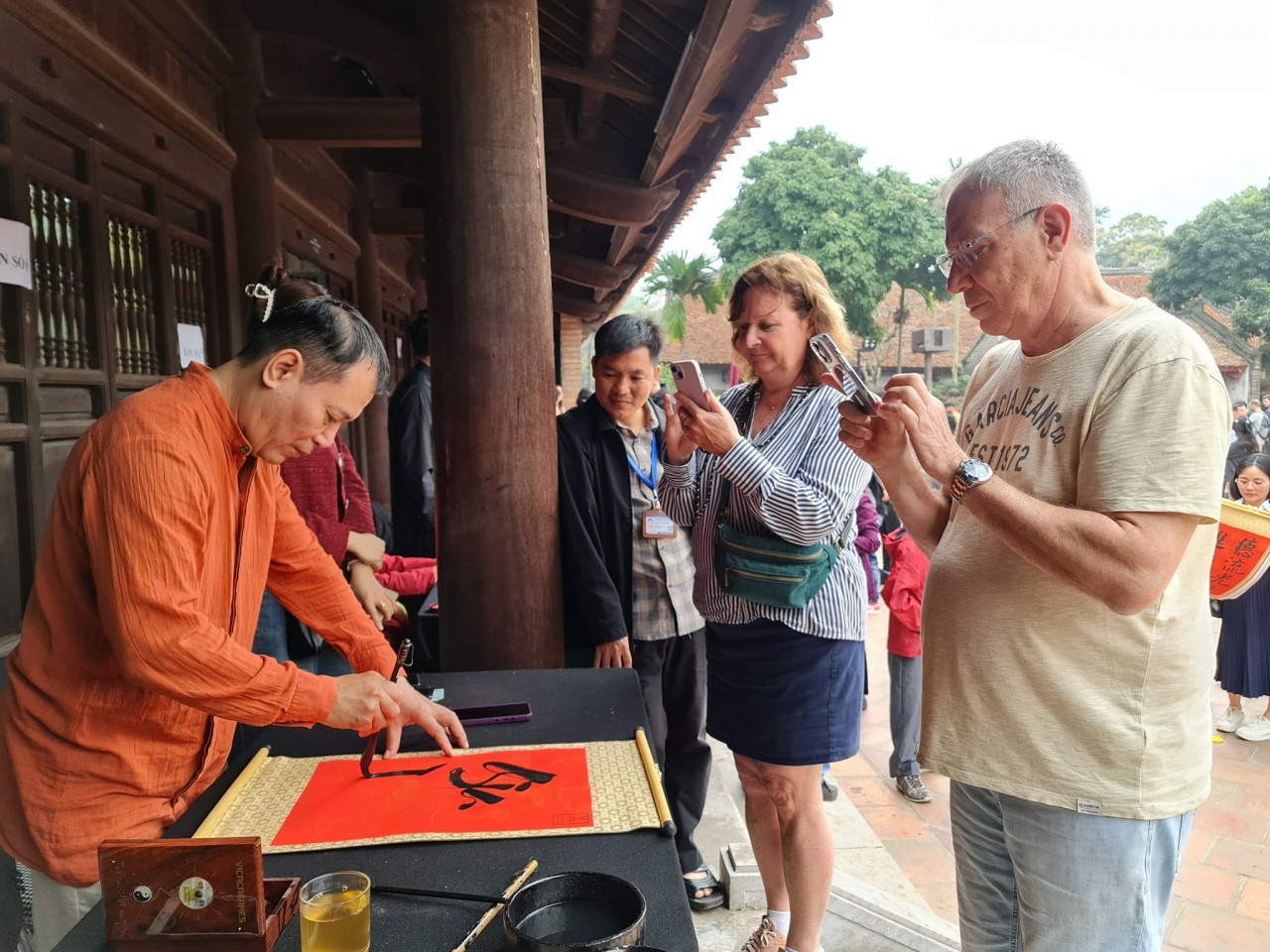
Today, the Temple of Literature offers more than just historical sightseeing. Visitors can experience traditional ceremonies, calligraphy exhibitions, and cultural performances, especially during Lunar New Year and special festivals.
Students and families often visit the temple to pray for success in exams, making it a vibrant place that connects the past with modern Vietnamese life.
Cultural Activities and Visitor Experience
Entrance Fees, Opening Hours & Location
- Address: 58 Quoc Tu Giam Street, Dong Da District, Hanoi
- Opening hours: 8:00 AM – 5:00 PM (daily)
- Entrance fee: Around 70,000 VND
The site is conveniently located near other famous attractions such as Hoan Kiem Lake, making it easy to include in your Hanoi itinerary.
Best Time to Visit & Travel Tips
Best time:
- October to April: cool and pleasant weather
- Early morning: fewer crowds, better photos
Travel tips:
- Dress respectfully (no short skirts or tank tops)
- Avoid touching artifacts
- Hire a guide for deeper understanding
- Visit during weekdays for a quieter experience
Best Time to Visit & Travel Tips
Why the Temple of Literature is a Must-Visit
The Temple of Literature is not just a historical relic—it is a symbol of Vietnam’s identity, intellectual tradition, and cultural pride. For inbound tourists, it offers a meaningful and authentic insight into the country’s past and present.
Visiting the Temple of Literature is more than just a sightseeing experience—it is a journey into the heart of Vietnam’s cultural and intellectual legacy. From its serene courtyards to its centuries-old traditions, the site offers a rare glimpse into a society that has long valued knowledge, respect, and personal growth.
Why the Temple of Literature is a Must-Visit
For a deeper and more personalized experience, traveling with VMI Travel can make your journey even more memorable. Contact VMI Travel now.
>> See more: Best Time to Visit Vietnam: Complete Travel Guide by Season
Contact information
VMI Travel – Let US Show You Viet Nam
Facebook: https://www.facebook.com/VMITravelcom